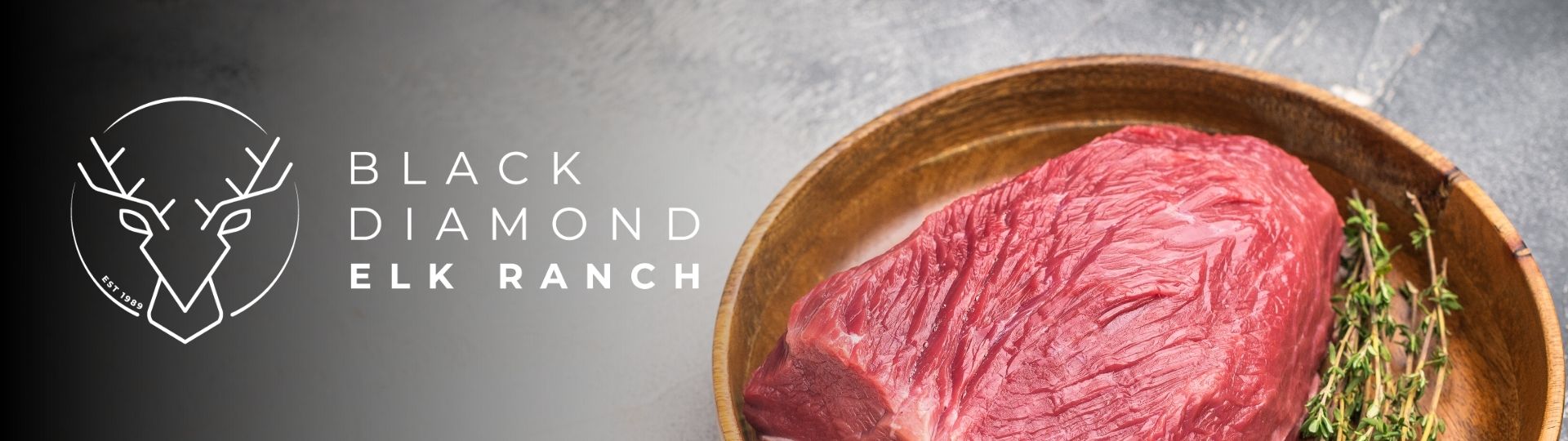
Our elk are pasture-grazed and humanely handled, producing lean cuts packed with protein and natural flavour.

When it comes to game meats, few are as popular or as widely discussed as elk and deer. Both have deep roots in North America’s hunting and farming culture and are considered some of the cleanest, most nutrient dense sources of protein available.
Whether you’re preparing grass fed meat from a ranch or wild cuts of venison from a seasonal harvest, both elk and deer meat deliver flavour and nutrition that stand out from conventional red meat. But what exactly sets these two favourites apart? Let’s explore their taste, texture, and health benefits, along with tips for game meat cooking that help bring out their best qualities.
When it comes to taste, elk and deer meat each offer their own unique experience.
Elk meat is often described as mild, slightly sweet, and rich without being overwhelming. Because most elk in Alberta and across North America are grass fed or free range, their natural diets of native grasses and shrubs create clean, smooth flavours. This makes elk appealing even to those who don’t normally enjoy wild game.
Deer meat, on the other hand, has a more pronounced, “gamey” flavour. The taste of cuts of venison can vary depending on what the animal ate, its age, and how the meat was handled after harvest. Deer from forested areas often feed on acorns and herbs, giving the meat an earthier flavour that some people love, while others may find it strong.
If you prefer a milder flavour similar to grass fed beef, elk is likely the better choice. Those who enjoy deeper, more complex flavours may lean toward venison.
Both elk and deer are remarkably lean compared to most farmed meats. But when it comes to nutritional content, elk meat benefits stand out in a few key areas.
Elk is high in protein and contains less fat and cholesterol than most red meat options, including grain fed beef. It’s also a great source of omega-3 fatty acids, vitamins and minerals like iron, zinc, and vitamin B12—all of which support healthy energy levels and immune function.
Deer meat shares many of these health benefits, but elk tends to offer slightly more protein per serving and a higher iron content. Because black diamond elk meat comes from free range animals raised without growth hormones or antibiotics, it’s an even cleaner option for families looking to reduce exposure to additives found in processed meat products. Both meats are nutrient dense, making them ideal choices for people following balanced or high-protein diets.
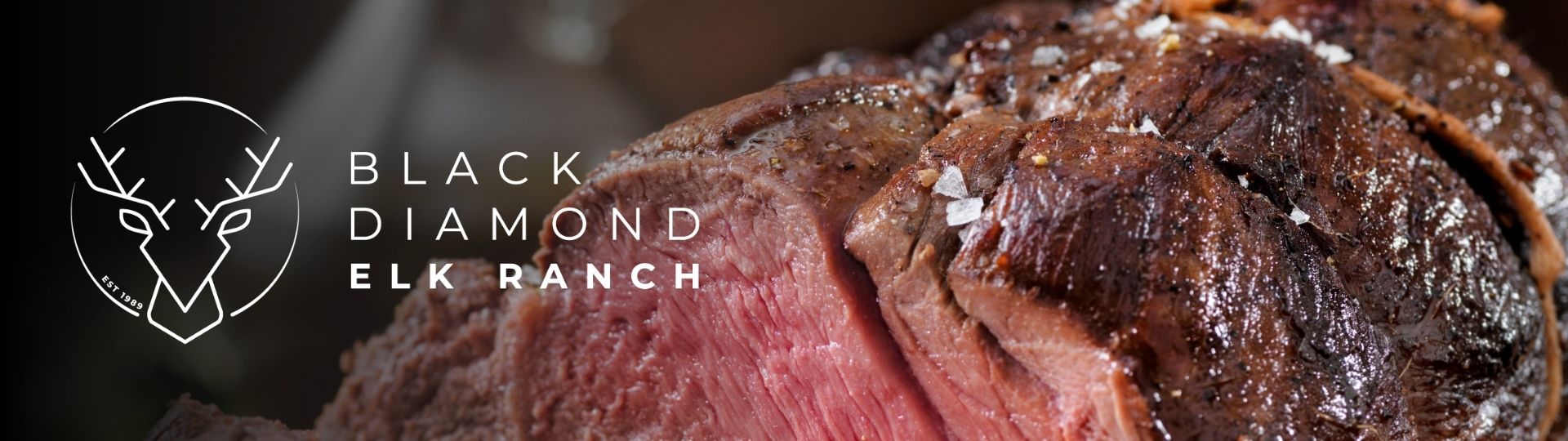
Game meat cooking requires a little more care than traditional beef or pork. Because both elk and deer are lean, they can dry out quickly if overcooked. The trick is to cook them gently and monitor doneness closely. Elk, for example, is best cooked to medium rare—just until it reaches a safe internal temperature while staying juicy and tender. Slow cooking is also an excellent method for tougher tender cuts, such as roasts or stew meat, which benefit from longer cooking times that break down connective tissue without losing flavour.
Deer meat responds similarly to gentle methods. Pan-searing or grilling steaks to medium-rare brings out their natural richness, while marinating can help soften stronger flavours. For comfort dishes, try slow cooking venison in soups, stews, or braises.
Whichever you choose, the key is to let the meat rest after cooking. This helps the juices redistribute and ensures every bite is moist and flavourful.
Another major reason more Canadians are turning to game meats like elk and deer is sustainability. Elk, particularly those raised on Alberta’s free range ranches, have a smaller environmental footprint than conventional livestock. Their natural diets and pasture-based lifestyle contribute to soil health and biodiversity, unlike large-scale feedlot systems used for grain fed animals.
Deer meat from ethical hunting or small-scale farms also offers a sustainable choice, but elk farming provides a more reliable, year-round supply of safe, high quality meat without the unpredictability of wild harvesting.
For consumers who want both convenience and conscience, grass fed meat from local elk farms is an ideal solution.
If you’re ready to experience the flavour and nutrition of premium elk, Black Diamond Elk Ranch offers elk meat for sale near Calgary with a variety of tender cuts perfect for everyday meals or special occasions. Located in Alberta’s foothills, the ranch raises free range elk on open pastures, allowing them to graze naturally year-round.
Their animals are never treated with growth hormones or unnecessary antibiotics, resulting in high quality, naturally raised meat that’s as ethical as it is delicious. Customers can easily buy elk meat in Calgary by placing an order online and arranging pickup directly from the ranch. Whether you’re looking for steaks, roasts, or ground elk, you’ll find a quality product that reflects the care and respect behind its production.
While both elk and deer meat have their strengths, elk wins for its versatility, milder flavour, and balanced nutrition. It’s an easy entry point for anyone curious about game meat cooking and a great alternative to grass fed beef for those wanting a leaner, more sustainable protein.
By choosing grass fed meat from Alberta’s free range elk farms, you’re supporting local producers, reducing your environmental footprint, and bringing truly wholesome food to your table. For the best experience, try black diamond elk meat—a true reflection of North America’s finest, most responsibly raised game meats.