
Site Tours Now Available! Contact us for Booking
Our elk are pasture-grazed and humanely handled, producing lean cuts packed with protein and natural flavour.
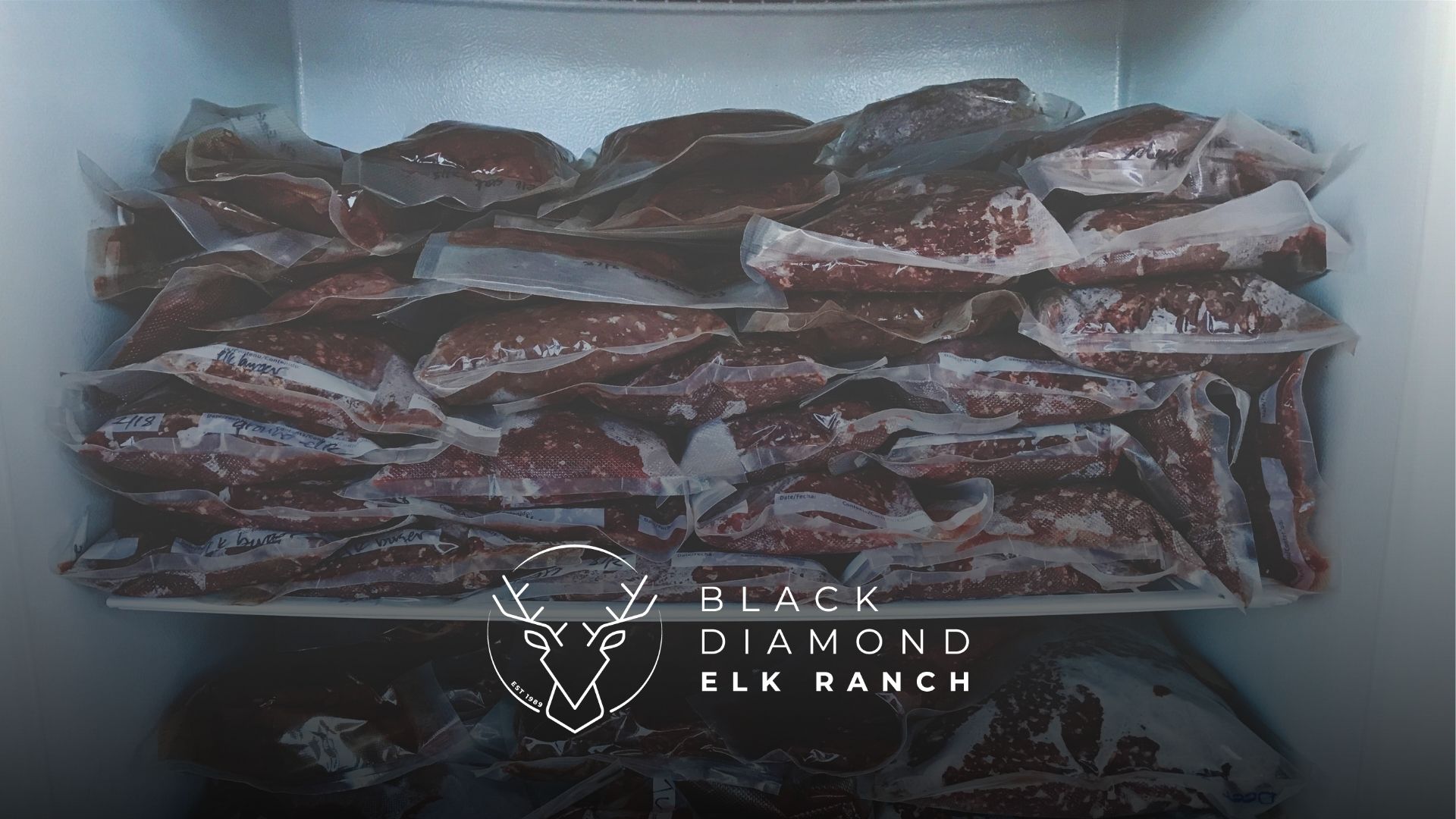
Buying elk meat from a local ranch is a great way to enjoy high-quality protein, but proper storage is important. Correct wrapping, freezing, and thawing help protect flavour, texture, and freshness.
For families purchasing elk meat Calgary products in larger quantities, learning how to freeze meat properly can reduce waste and make meal planning easier. Whether you are storing steaks, roasts, ground elk, or stew meat, a few simple steps can help protect your purchase.
Elk meat is naturally lean, so it contains less fat than many other red meats. While this makes it a popular choice, it can also lose moisture when exposed to air in the freezer.
Air exposure may cause freezer burn, which can appear as dry, pale, or discoloured areas. Freezer-burned meat may still be safe to eat if it has been handled properly, but the flavour and texture can suffer.
Good packaging helps prevent freezer burn and makes storing game meat easier for longer periods.
When learning how to freeze meat properly, the main goal is to keep air away from the meat.
Useful packaging options include:
For steaks, roasts, and other cuts of meat, wrap meat tightly in plastic wrap while removing as many air pockets as possible. Adding freezer paper around the outside provides another layer of protection.
A vacuum seal is one of the best options for freezing meats. A vacuum sealer removes much of the air surrounding the food before sealing the package. This can help preserve quality and prevent freezer burn.
Freezer bags work well for smaller portions, ground meats, and meat you plan to use sooner.
Press as much air as possible out of the bag before sealing it. For additional protection, you can wrap the meat tightly in plastic wrap first and then place it in a freezer bag.
Make sure you use bags made specifically for freezer storage. Regular food bags are often thinner and may allow more air and moisture through over time.
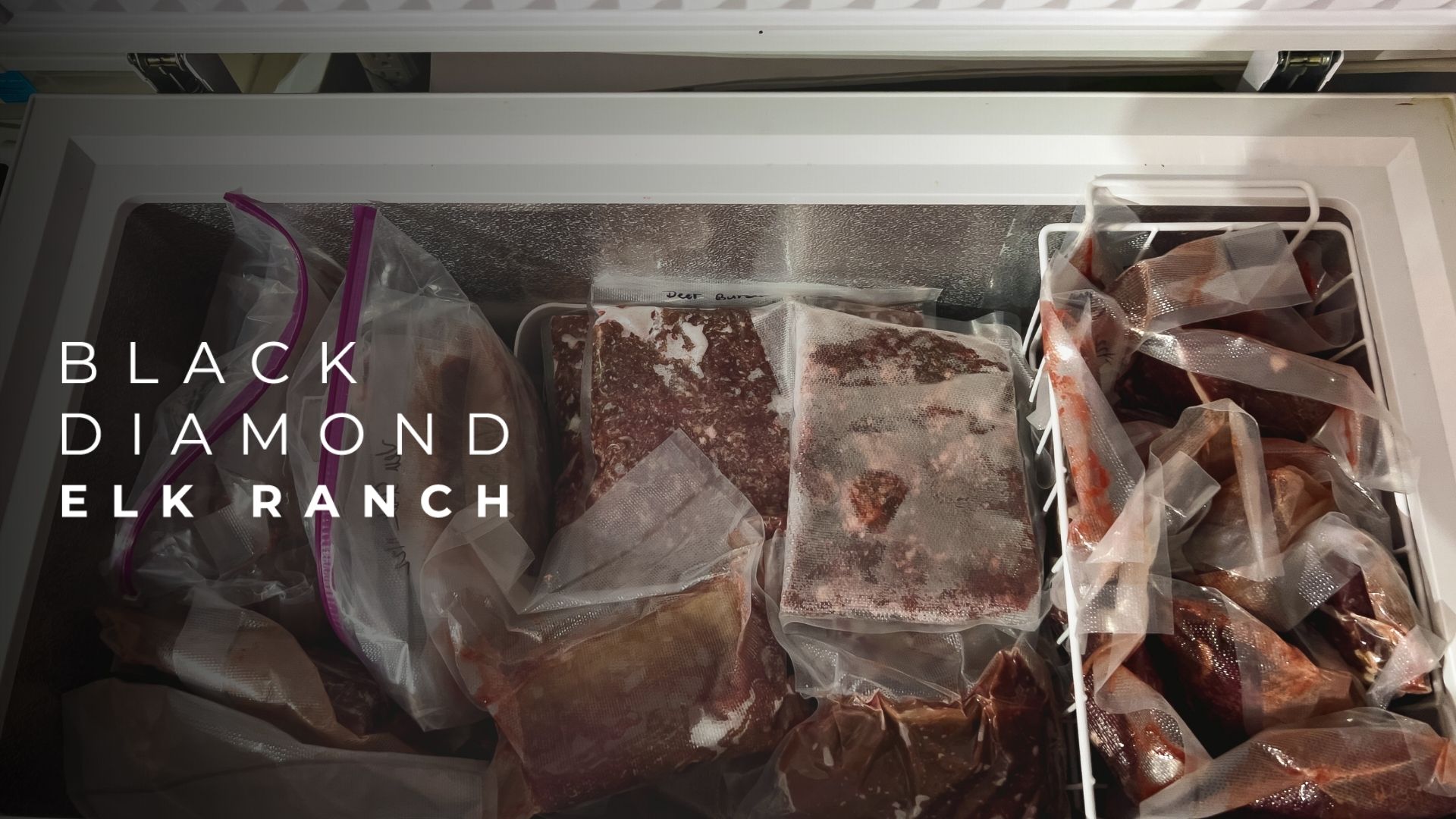
Dividing elk into meal-sized portions before putting it in the freezer can save a lot of time later.
For example:
This way, you only thaw what you need. It also helps avoid repeated thawing and refreezing, which can affect quality.
Portioning is especially useful when you are saving money by purchasing several packages at once.
Once frozen, different meat packages can be difficult to tell apart. Label each package before freezing it.
Include the:
Keep similar foods together. Ground elk can go in one section, steaks in another, and larger roasts somewhere else.
If your freezer also contains beef, pork, or chicken breasts, clear labels make it much easier to find what you need.
A small amount of frost can happen during normal freezer storage. However, heavy ice crystals inside a package may be a sign that moisture or air has entered.
Check plastic wrapping and freezer bags for openings or loose seals. Meat wrapped tightly in plastic wrap and protected with freezer paper will generally hold up better than loosely packaged meat.
Vacuum sealed bags offer even stronger protection because they limit the amount of air surrounding the product.
There is no single storage time that applies to every piece of elk. Quality depends on the type of meat, freezer conditions, packaging, and whether you used a vacuum seal.
Ground meats may lose quality sooner than large whole cuts because more surface area is exposed during processing.
Instead of relying only on a set number of months, keep an eye on the condition of the package and meat. Follow current Canadian food safety recommendations for frozen meat, and do not eat anything that shows signs of spoilage or has been stored improperly.
Freezing is only part of storing game meat properly. Safe thawing also matters.
The refrigerator is one of the safest places to thaw frozen elk. Put the package on a plate or tray and allow it to thaw gradually while remaining cold.
When you need the meat sooner, a cold water method can be used. Keep the elk inside a leak-proof package and use cold water while following current food safety guidance.
Avoid leaving frozen meat on the counter for extended periods.
Once thawed, cook elk according to current food safety recommendations and make sure it reaches a safe eating temperature.
Ground elk needs careful packaging because grinding increases the surface area exposed to air. Seal it tightly and freeze it promptly.
Whole steaks and roasts generally maintain their texture well when properly wrapped.
No matter which cut you are storing, the basics remain the same: limit air exposure, keep packages securely sealed, label everything, and maintain consistent freezer conditions.
If you are wondering where to buy elk, Black Diamond Elk Ranch offers locally raised elk meat near Calgary. Customers can browse available cuts and order meat online before arranging pickup directly from the ranch.
Black Diamond Elk Ranch does not ship its meat products. Orders are available for local pickup, making it easy to bring home steaks, roasts, ground elk, and other game meat while supporting an Alberta producer.
The ranch also offers naturally shed elk antlers for dogs. That means customers can shop for both elk meat and natural antler chews before arranging their ranch pickup.
Knowing how to freeze meat properly helps you protect the quality of every purchase. Good packaging reduces air exposure, meal-sized portions make cooking easier, and clear labels help keep your freezer organized.
Whether you use freezer bags, freezer paper, a layer of plastic wrap, or a vacuum sealer, careful preparation can make a noticeable difference.
With the right approach, storing game meat is simple and practical, allowing you to keep locally raised elk ready for future meals while reducing waste and getting more value from every purchase.