Site Tours Now Available! Contact us for Booking
Our elk are pasture-grazed and humanely handled, producing lean cuts packed with protein and natural flavour.

As more Canadians become aware of where their food comes from, many are starting to question traditional factory farming practices. Concerns about animal welfare, environmental damage, and human health are leading people to look for better options. One of the strongest alternatives available today is elk farming.
Across Alberta and much of North America, elk ranching offers a more natural and responsible approach to raising animals. From improved living conditions to cleaner meat production, elk farming stands out as a sustainable solution for those who care about their food and its impact.
In this article, we’ll explore why elk farming is a better choice than factory farming, how it supports the environment, and why more families are choosing calgary elk meat and other locally sourced options.
Factory farming refers to large-scale systems where animals are raised in confined spaces to maximize production. These systems are often known as concentrated animal feeding operations, where thousands of animals are kept in tight quarters.
In these environments, animals are usually fed processed animal feed designed for fast growth. While this method increases output, it often comes at a cost. Many factory farmed animals experience poor living conditions, limited movement, and increased exposure to disease.
This type of animal agriculture also raises concerns about waste management, environmental damage, and the long-term sustainability of meat production.
There are several major concerns linked to factory farming:
Animals raised in factory systems often lack access to fresh air, natural movement, and proper living conditions. Compared to free range elk, many livestock animals live in crowded spaces where stress and poor health are common.
Factory farming produces large amounts of waste that can contaminate soil and water. It also contributes to greenhouse gas emissions and overuse of land resources.
One of the biggest concerns is the rise of antibiotic resistance. In crowded conditions, antibiotics are often used to prevent infectious diseases, which can lead to long-term risks for human health and public health.
Because of rapid growth methods and processed feed, factory-farmed meat can lack the same nutritional value found in naturally raised animals.
Elk farming offers a completely different approach. Instead of confinement, elk are raised in open environments where they can roam freely. This is known as free range farming, and it plays a major role in both animal welfare and meat quality.
Free range elk live on large pastures where they can graze naturally. Their diet includes grasses, shrubs, and natural forage rather than processed feed. This creates healthier animals and leads to higher quality meat.
Unlike factory systems, elk farming focuses on balance—supporting both the animals and the land they live on.

One of the biggest advantages of elk farming is its reduced environmental impact.
Natural Grazing Supports the Land
Elk grazing helps maintain healthy grasslands. Their movement across pastures supports soil health and encourages natural plant growth. This creates a sustainable cycle that benefits the environment rather than harming it.
Lower Resource Use
Compared to factory farming, elk require fewer external resources like grain feed, water, and energy. This makes elk farming a more efficient and sustainable form of animal production.
Reduced Pollution
Because elk are not raised in dense, confined spaces, there is less concentrated waste. This reduces the risk of water contamination and soil damage.
Animal welfare is a key reason many people choose elk meat.
In free range elk systems, animals have space to move, graze, and behave naturally. This reduces stress and supports better health. Healthy animals lead to safer, cleaner meat products.
In contrast, many farmed animals in factory settings face conditions that prioritize production over well-being. This difference in farming practices is one of the main reasons elk farming is considered more ethical.
Choosing elk is not just better for the environment—it’s also better for your body.
Lean and Nutrient-Rich
Elk meat alberta ranches produce is naturally lean, with lower fat compared to many traditional red meats. It is high in protein and rich in essential nutrients like iron and zinc.
Cleaner Food Source
Because elk are raised without heavy reliance on antibiotics or processed feed, the meat is cleaner and closer to its natural state. This reduces potential health risks linked to industrial meat products.
Supports Healthy Eating
For families focused on balanced meals, elk offers one of the best game meat benefits available. It fits well into a healthy diet and provides long-lasting energy without excess fat.
Many people rely on grocery stores for their meat, but not all products are created equal.
Factory-farmed meat often comes from systems focused on efficiency rather than quality. This can impact both taste and nutritional value.
In contrast, calgary elk meat from local ranches is:
Locally sourced
Raised naturally
Free from unnecessary additives
Higher in quality
This makes elk a better option for those who want to know exactly where their food comes from.
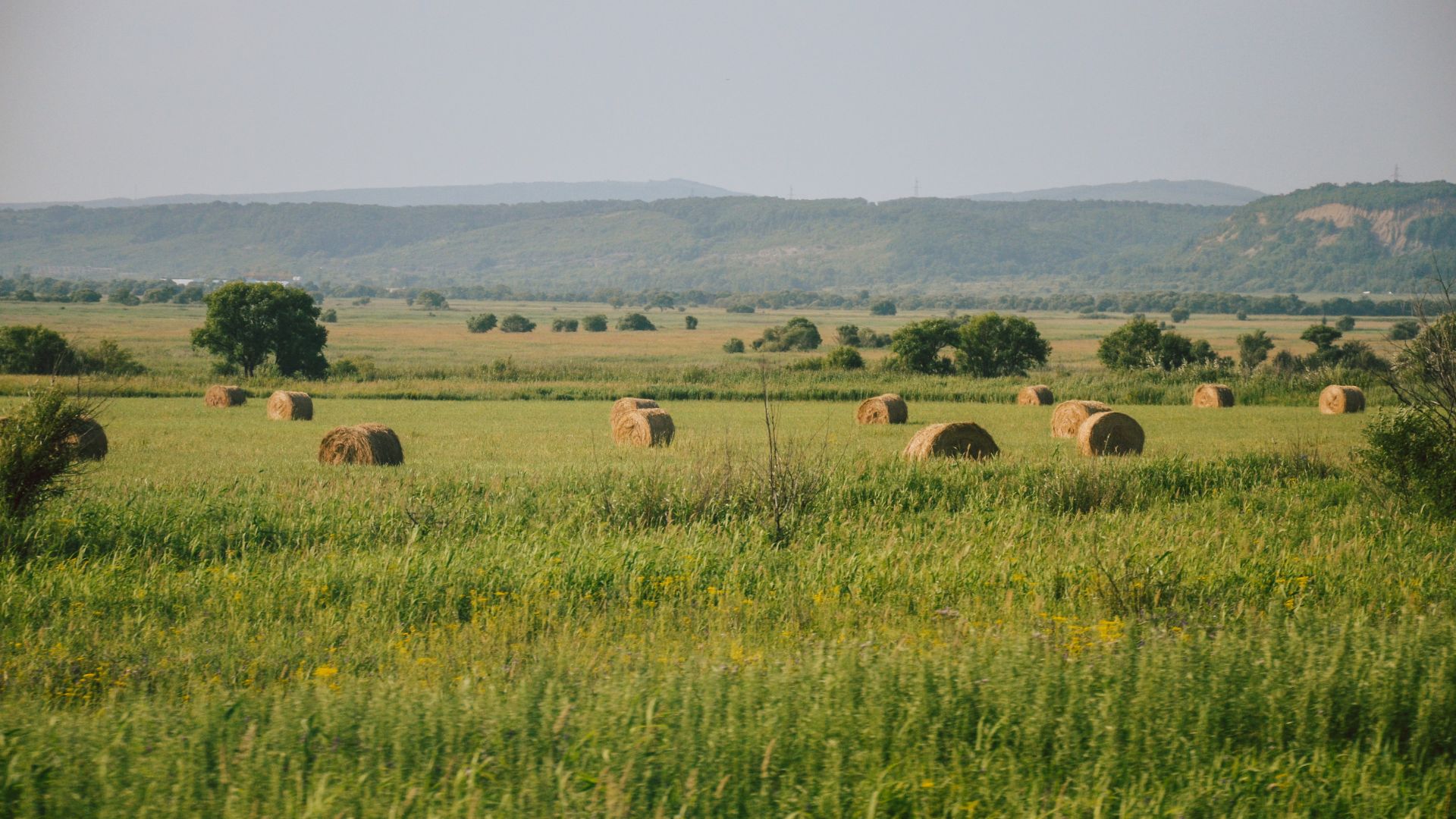
Choosing elk meat also supports local farmers and ranchers across Alberta. These producers focus on responsible animal agriculture and long-term sustainability.
By buying local, you reduce transportation emissions and help strengthen your community. It also allows you to access fresher, higher quality meat.
Across north americas, there is a growing shift toward supporting small farms over large industrial systems. Elk farming plays an important role in this movement.
If you are looking for elk meat alberta residents trust, Black Diamond Elk Ranch offers premium options raised in the foothills near Calgary.
They provide calgary elk meat that is locally raised, naturally fed, and carefully processed. Customers can browse available cuts and arrange pickup directly from the ranch.
It’s important to note that they do not offer shipping. This ensures that all products remain fresh and allows customers to connect directly with a trusted local source.
By choosing Black Diamond Elk Ranch, you are supporting ethical farming and gaining access to high quality elk meat raised with care.
As concerns about factory farming continue to grow, elk farming offers a clear path forward. It supports healthier animals, better land use, and safer food systems.
From reduced environmental impact to improved animal welfare, elk farming addresses many of the issues linked to industrial agriculture. It also provides real game meat benefits that support both human health and sustainability.
For Canadians looking to make better food choices, elk meat is more than just an alternative—it’s a smarter, more responsible way to enjoy red meat.
Yes, elk meat is generally leaner and lower in fat than beef. It is also high in protein and essential nutrients, making it a strong option for healthy eating.
Free range elk have access to natural grazing and open space. This supports better animal welfare and produces higher quality meat.
Free range elk have access to natural grazing and open space. This supports better animal welfare and produces higher quality meat.
Free range elk have access to natural grazing and open space. This supports better animal welfare and produces higher quality meat.